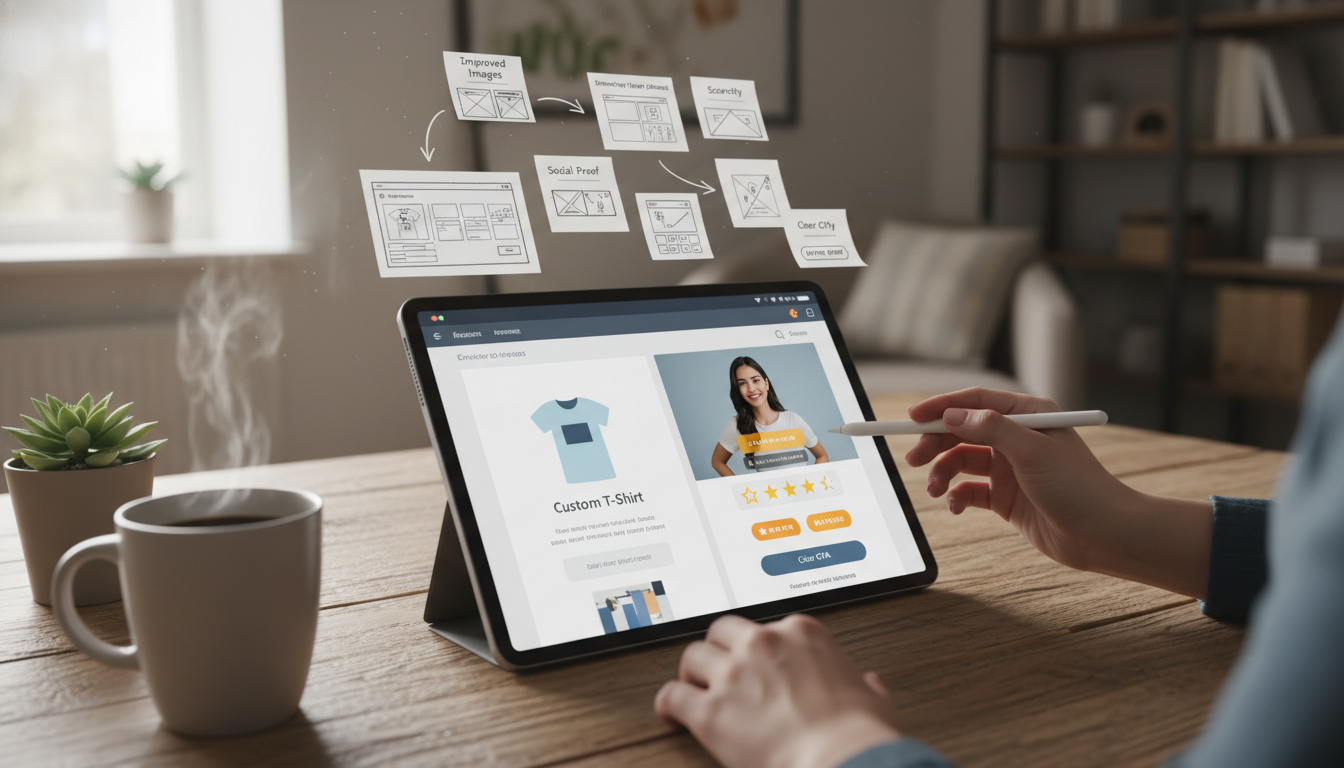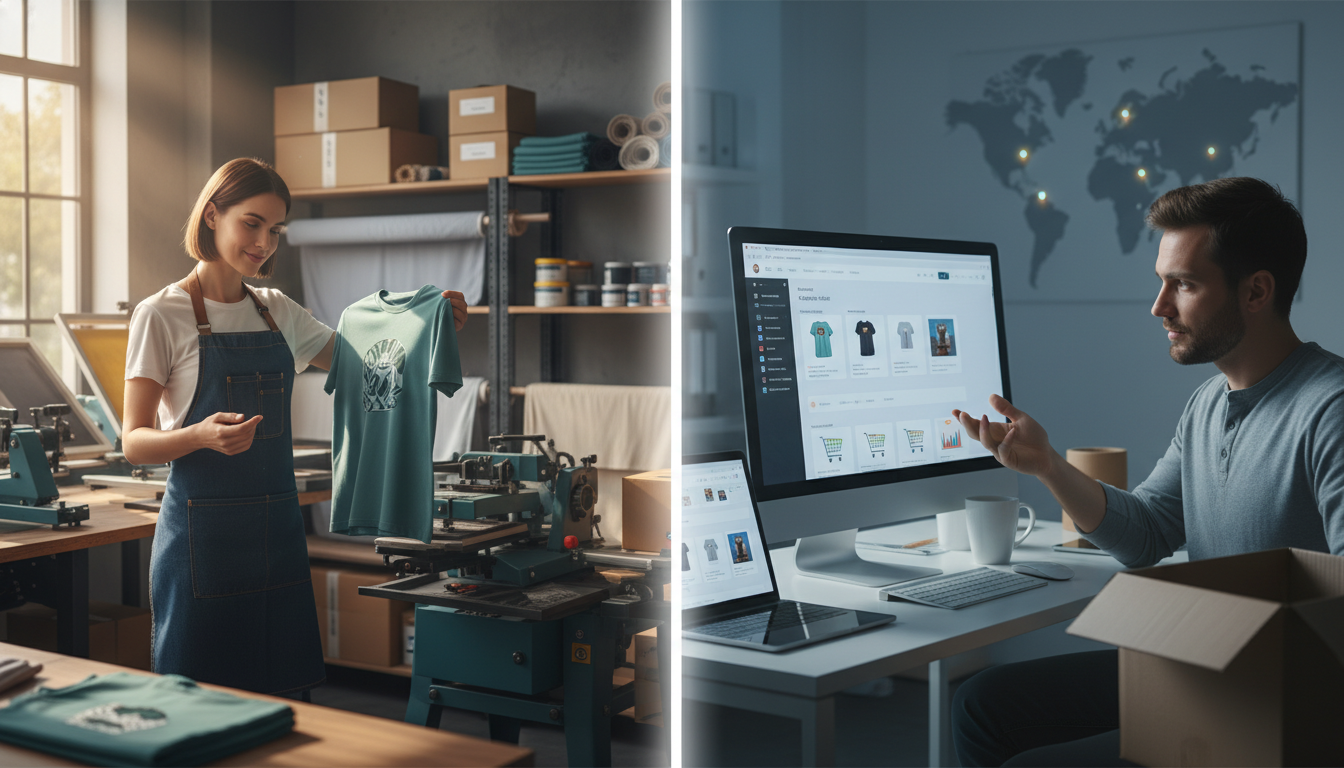
Starting an online business is easier than ever. If you are exploring the e-commerce landscape, you have likely run into two popular low-risk models: print on demand and dropshipping. Both allow you to sell products without holding inventory, but they operate differently.
Understanding the Two Models
Dropshipping is a retail fulfillment method where a store does not keep products in stock. When a customer buys from you, a third-party supplier ships the item directly to them. This system heavily relies on efficient supply chain management to succeed.
Print on demand is a subset of dropshipping. Instead of selling ready-made items, you customize white-label products like t-shirts or mugs with your designs. The items are printed and shipped only after a customer makes a purchase.
Pros and Cons of Dropshipping
Dropshipping offers a wide variety of choices but comes with unique challenges.
Pros of dropshipping:
- You can sell a massive variety of products without design skills.
- It is easy to scale because you can add new trending items instantly.
- Lower barrier to entry for non-creatives.
Cons of dropshipping:
- Highly competitive with thin profit margins.
- Less control over shipping times and product quality.
- Difficult to build a unique brand identity.
Pros and Cons of Print on Demand
Print on demand is ideal for creative individuals looking to build a brand.
Pros of print on demand:
- Ability to create unique, original products that stand out.
- Higher potential profit margins due to custom design value.
- Easier to build customer loyalty and brand identity.
Cons of print on demand:
- Limited product selection compared to general dropshipping.
- Longer fulfillment times since items are printed to order.
- Success depends heavily on design quality and marketing.
How to Choose the Right Model
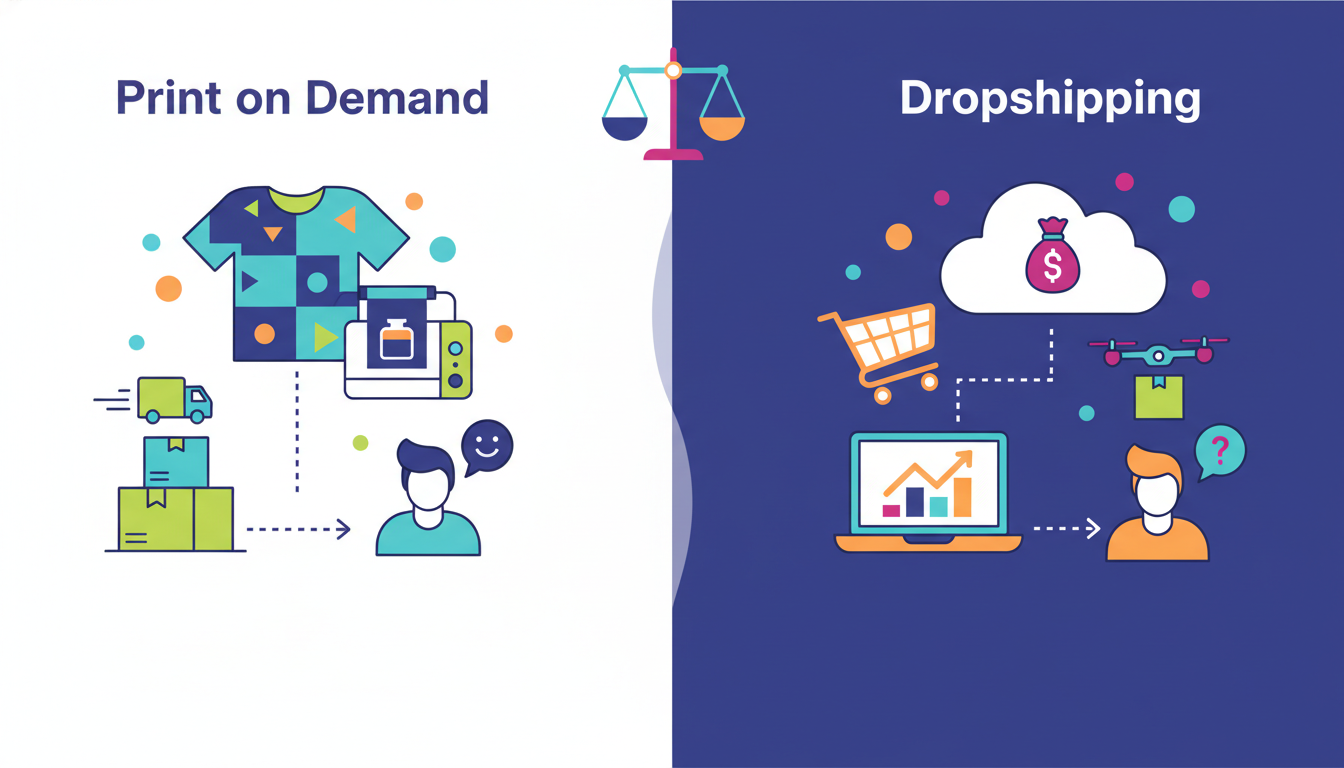
Your decision depends on your skills. If you are great at marketing and want to sell a wide range of existing items, dropshipping is an excellent choice. If you are an artist or influencer who wants to sell custom merchandise, print on demand is the superior route.
Frequently Asked Questions
Which model requires more start-up capital?
Both models require very little upfront capital since you do not buy inventory in advance. You only need a budget for store hosting and marketing.
Can I combine both models in one store?
Yes. Many platforms allow you to sell both custom print-on-demand items and curated dropshipped products simultaneously to maximize revenue.
Conclusion
Choosing between print on demand and dropshipping comes down to your strengths. If you want a unique brand, choose print on demand. If you want a broader product catalog, choose dropshipping.